Uncovering the Truth: The Toughest Challenges in Fire Cause and Origin Investigations
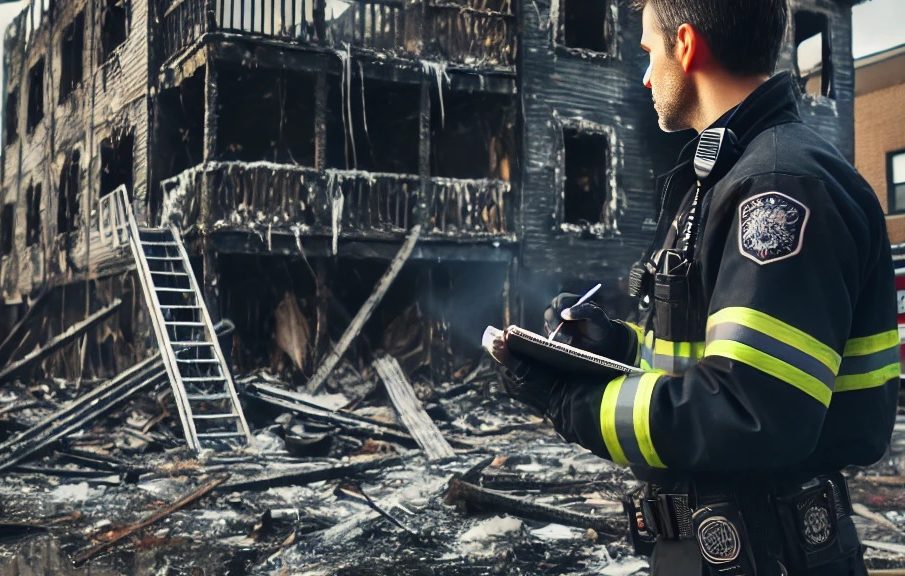
Determining the exact cause and point of origin of a fire is a painstaking forensic process where crucial physical evidence is constantly at risk of total destruction. Unlike traditional crime scenes where physical artifacts remain largely intact, a fire scene actively consumes its own evidence as the blaze grows. Forensic investigators must reconstruct a complex sequence of physical and chemical events from char patterns, melted wiring, and ash. Navigating the physical, environmental, and analytical obstacles of a post-fire site requires scientific precision, advanced methodology, and deep technical expertise. After a structure fire is extinguished, investigators immediately examine the burn patterns and electrical systems to accurately determine the fire cause and origin.
Severe Thermal Destruction and Loss of Physical Evidence
Extensive structural collapse and prolonged high temperatures frequently turn potential clues into fine ash before investigators can secure the perimeter. A fully developed structure fire can easily exceed temperatures of fifteen hundred degrees Fahrenheit, consuming combustible materials, melting aluminum components, and obliterating fragile point-of-origin indicators. When key physical artifacts vanish into ash, experts must rely on circumstantial burn patterns rather than direct material evidence.
Distinguishing between true burn patterns and secondary thermal damage creates significant analytical hurdles. Intense heat can create localized burn spots, wall charring, and melted electrical wiring far from the actual point of origin due to radiant heat transfer or falling embers. Misinterpreting these secondary heat effects leads to incorrect conclusions regarding where the fire started, complicating insurance claims and legal proceedings.
Scene Contamination During Suppression and Overhaul
Fire suppression tactics used by emergency responders inevitably alter the physical layout of the scene and introduce foreign contaminants. High-pressure water streams knock over furniture, wash away delicate chemical residues, and shift structural debris from its original location. Emergency personnel must prioritize life safety and property preservation, which naturally conflicts with preserving a pristine forensic crime scene.
Post-fire overhaul procedures introduce additional investigative complications. Firefighters routinely pull down damaged drywall, vent roofs, and shovel out smoldering debris to eliminate hidden embers and prevent rekindling. This necessary safety protocol scatters critical evidence, buries potential ignition sources under layers of wet debris, and exposes delicate physical samples to weather elements before forensic teams arrive.
Identifying Accelerated Fires and Chemical Interferences
Detecting chemical accelerants becomes exceptionally difficult when household materials release similar hydrocarbon compounds during combustion. Modern residential homes contain vast quantities of synthetic materials, including vinyl flooring, polyurethane foam cushions, and synthetic carpets. As these petroleum-based products burn, they undergo pyrolysis, releasing volatile organic compounds that mimic accelerants like gasoline or diesel fuel.
Analyzing laboratory samples requires sophisticated gas chromatography equipment to isolate true liquid accelerant residues from background synthetic off-gassing. Furthermore, the immense heat of the fire causes volatile liquids to evaporate rapidly, leaving behind minute trace quantities. Collecting unburned samples from beneath floorboards, tile seams, or heavy furniture remains critical to securing uncorrupted chemical proof.
Ensuring Scientific Rigor in Complex Investigations
Evaluating fire origin and cause demands a disciplined combination of forensic chemistry, structural engineering, and meticulous scene analysis. Overcoming obstacles like water contamination, thermal destruction, and chemical background noise requires sticking strictly to scientific standards rather than relying on guesswork. Every piece of physical evidence, from arced wiring to charred floor joists, must be evaluated within the context of thermodynamics and fluid dynamics.
Working through these operational and scientific challenges ensures that final origin and cause reports hold up under strict legal and insurance scrutiny. Uncovering the true cause of a fire brings closure to property owners, resolves liability disputes, and helps manufacturers design safer electrical devices and building materials. Investing in thorough, unbiased forensic analysis remains the gold standard for solving the most challenging fire cases.