Is Compression Clothing Good for Running? What Runners Should Know
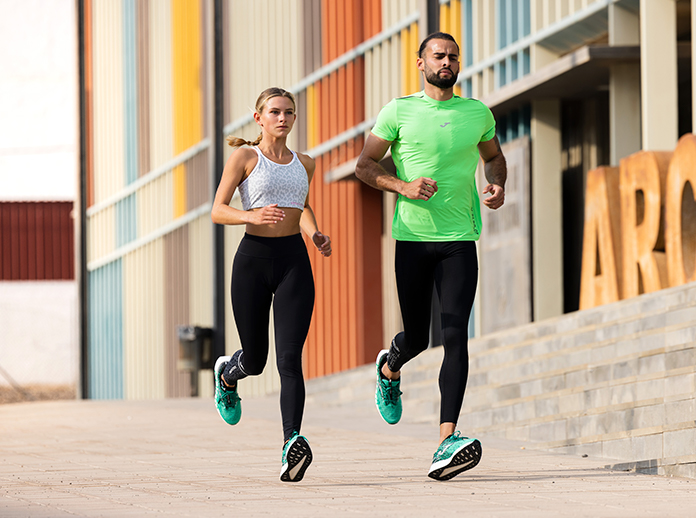
Compression clothing has become a familiar sight at running events, on training tracks, and in everyday fitness routines. Runners wear compression shorts, tights, socks, and tops because these garments offer a close fit and a different feel from conventional running clothes.
But is compression clothing actually good for running? The response is contingent upon your expectations. Research does not currently establish compression clothing as a reliable way to make runners faster, but it can still have practical advantages as part of a running wardrobe.
What Is Compression Clothing?
The purpose of compression clothing is to fit tightly against the body. These clothes feature elastic materials that stay tight to the skin while permitting mobility, in contrast to loose-fitting running equipment.
Shorts, tights, socks, sleeves, and fitting tops are examples of compression clothing for runners. The runner’s tastes, the distance being ran, and the training environment all influence what to wear.
Additionally, the tight fit might reduce excessive fabric movement when running, which may be pleasant for certain athletes.
Does Compression Clothing Improve Running Performance?
One of the most frequent queries that runners have is this one.
There was no apparent gain in race time or time to exhaustion among runners wearing compression clothing, according to a 2025 comprehensive review and meta-analysis that looked at 51 studies with 899 participants. Additionally, there was no discernible performance benefit for running pace, speed, or submaximal oxygen uptake, according to the review.
This means that wearing compression clothing won’t necessarily result in faster race times or more endurance for runners.
Similar findings have been made by other studies, which found that wearing compression garments did not consistently improve running performance.
Choosing Compression Shorts for Running
For runners who prefer tight-fitting lower-body clothing without full-leg covering, compression shorts may be helpful.
Think about the waistline, length, overall fit, and fabric stretch while selecting a pair. During a run, the shorts should be comfortable to move between the legs and hips without moving all the time.
In order to create a layered look that combines their chosen outer layer with close-fitting covering, some runners also wear compression shorts underneath looser running shorts.
Are Compression Tights Suitable for Long Runs?
When running outside in colder weather, compression tights can be especially useful because they offer greater coverage than shorts.
Additionally, their full-length style might offer a sleek substitute for baggy training pants. However, during longer sessions, runners should focus on their comfort. Over several miles, a waistline that feels acceptable during a quick workout could become bothersome.
In the end, running conditions, weather, and personal preferences determine the best option.
What Should You Look for in Running Compression Clothing?
When purchasing running gear, “compression” shouldn’t be the primary consideration.
Examine the construction, size, stretch, fabric, and intended purpose. A running outfit should not impede normal movement and should permit a natural stride.
During longer or more severe workouts, moisture management may also be important. While more coverage can be helpful during cooler outdoor runs, lightweight, breathable materials can be preferred in warm weather.
Instead of thinking your typical clothes size will produce the right fit, always refer to the manufacturer’s sizing information.
Compression Clothing Is Not a Substitute for Training
It’s critical to maintain reasonable expectations.
No piece of running apparel can take the place of a well-organized running program, regular training, suitable pacing, proper nutrition, and recovery. Rather than being a quick fix for better performance, compression clothing should be considered a component of a runner’s overall wardrobe.
Compression clothing can be added to regular training if a runner enjoys the way it fits and feels, but there is no guaranty that it will improve performance.
Finding the Right Compression Gear for Running
The tastes of various runners vary. Depending on the season and distance, some people might like compression shorts, while others might go for tights or a combination of clothes.
When exploring the best compression clothing for athletes, consider how each garment fits into your existing running wardrobe. Look for clothing that fits your workout conditions, movement needs, and chosen coverage.
Final Thoughts
So, is wearing compression clothes beneficial for running? Although current studies do not demonstrate that compression clothing consistently improves running performance, it may be a practical option for runners who want tailored sporting apparel. Although there was less soft-tissue vibration, a 2025 analysis revealed no discernible advantages in race time or time to exhaustion.
Fit, comfort, individual desire, and training conditions are consequently the deciding factors. Select compression apparel because it complements your running regimen, not because it promises outcomes that studies haven’t consistently shown.